The cleaning industry has entered a new era, one where efficiency, transparency, and technology define success. As 2026 approaches, cleaning companies that still rely on paper schedules, phone calls, or spreadsheets are finding it harder to keep up with client expectations and operational complexity.
The shift toward digital planning is no longer a trend, it’s becoming the industry standard. Companies that embrace digital cleaning planners now will save time, improve communication, and gain the competitive edge needed to thrive in 2026 and beyond.
The growing pressure on planning
Scheduling has always been one of the most challenging parts of running a cleaning business. Coordinating multiple sites, last-minute changes, staff absences, and client requests often turns into a daily juggling act.
For companies still managing this manually, mistakes are inevitable, missed shifts, double bookings, or cleaners being sent to the wrong site. These small errors quickly add up to lost time, dissatisfied clients, and unnecessary stress for everyone involved. As customer expectations rise and staff shortages remain a reality, businesses need faster, more reliable ways to plan and adjust their operations. That’s where digital cleaning planners come in.
What makes 2026 different
Several forces are coming together to make 2026 the tipping point for digital adoption in the cleaning industry:
- Technology is more accessible. Cloud-based tools and mobile apps have become affordable and easy to implement, even for small cleaning companies.
- Clients expect transparency. More organizations now require digital reporting and attendance tracking as part of their contracts.
- Labour costs are rising. With higher wages and tighter budgets, efficiency matters more than ever — and automated planning helps reduce wasted hours.
- Environmental impact matters. Digital tools replace paper schedules and reduce unnecessary travel by optimizing routes.
- Workforce flexibility is key. Cleaners increasingly prefer digital systems that let them view shifts, request changes, and check updates from their phones.
How digital planning transforms daily operations
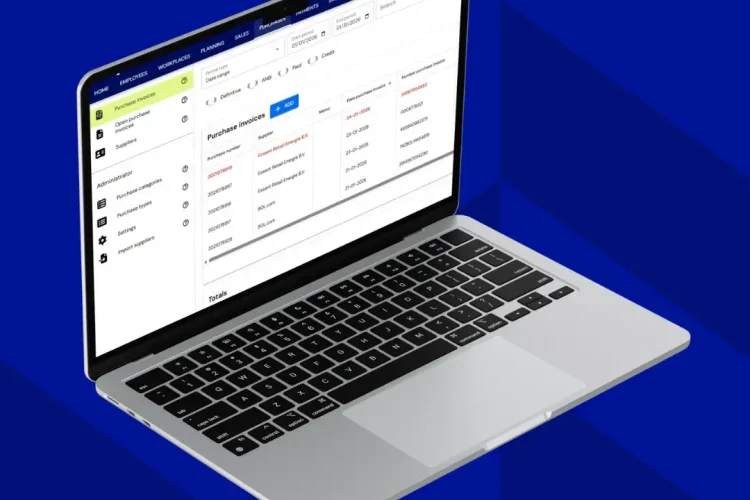
A digital cleaning planner simplifies everything that used to take hours of admin work. Here’s how:
- Smart scheduling: managers can assign and adjust shifts in seconds, with updates automatically shared with the team.
- Real-time visibility: everyone sees who’s working where, reducing confusion and last-minute phone calls.
- Instant communication: cleaners receive updates or task notes directly on their devices.
- Integrated time tracking: attendance is recorded automatically, linking seamlessly to payroll and performance reports.
- Data and analytics: managers can track patterns, measure productivity, and forecast staffing needs more accurately.
The human impact
When planning runs smoothly, everything else improves. Cleaners feel more organized and less stressed when they can easily check their schedules and communicate with supervisors. Managers spend less time correcting mistakes and more time supporting their teams.
Better communication leads to stronger relationships, fewer misunderstandings, and higher morale. And for clients, seeing a structured, well-coordinated team inspires confidence, a major factor in renewing or expanding contracts.
Digital tools don’t replace people; they empower them. They remove the chaos from planning so teams can focus on delivering excellent service.
What companies should do now
Getting ready for 2026 doesn’t require a major overhaul, it starts with taking small, strategic steps:
- Evaluate your current process. Identify where you lose time or experience frequent errors.
- Choose the right tool. Look for a digital planner that integrates scheduling, communication, and time tracking in one place.
- Involve your team. Get feedback from managers and cleaners, they’ll help ensure smooth adoption.
- Start small, scale fast. Begin with one site or team, refine the process, and expand as you see results.
Those who act now will enter 2026 ready to deliver a faster, smarter, and more reliable service.
The bottom line
2026 is shaping up to be the year when digital planning becomes the new normal for cleaning companies. With clients demanding transparency, teams craving simplicity, and competition growing, digital tools aren’t just helpful, they’re essential.
By adopting a digital cleaning planner, companies can save time, reduce costs, and create smoother, more professional operations. The future of cleaning is digital, and the companies that embrace it today will lead the industry tomorrow.