Running a successful cleaning company is not only about winning new contracts. It is also about making sure existing contracts remain profitable.
In cleaning operations, margins can gradually decrease without being immediately visible. Employees may spend more time at a location than planned, material use can increase, extra work may not be invoiced, or inefficient planning may create unnecessary costs.
That is why effective cleaning business cost control starts with visibility: knowing where costs are generated, how actual performance compares with expectations, and which contracts contribute most to profitability.
Why cost control is difficult in cleaning companies
Cleaning companies often manage multiple employees, customers, locations and service agreements. Each contract can involve different working hours, cleaning frequencies, materials and additional customer requests.
As a company grows, this complexity increases. In our guide on how to grow your cleaning company without losing control, we explain why scalable processes become increasingly important as operations expand.
The real challenge is not simply knowing how much the company spends. It is understanding which customer, location or activity generated those costs.
Track planned hours against actual hours
Labour is one of the most important costs to monitor. Even a small difference between planned and actual working hours can reduce contract profitability over time.
Imagine a location is planned for 100 cleaning hours per month, but employees consistently register 115. Those additional 15 hours represent recurring costs that were not included in the original calculation.
Comparing planned schedules with actual time registration helps management identify these differences early. Klien IT’s planning module helps organise employees and locations, while time registration and attendance makes it easier to record the hours actually worked.
If actual hours regularly exceed the plan, managers can investigate whether the estimate was unrealistic, extra tasks were added, or the schedule needs adjustment.
Monitor materials and operational costs
Cleaning products, consumables and equipment can add up quickly across many locations.
Companies should therefore track not only how much stock they purchase, but also where it is being used. Connecting materials to specific customers or locations makes it easier to identify unusual consumption and understand the real cost of delivering a service.
An integrated inventory management system can provide a clearer overview of stock levels and movements, helping reduce unnecessary purchases and improve cost allocation.
Do not let extra work become invisible work
Additional customer requests are common in cleaning services. A cleaner may be asked to clean another area, perform a deeper clean or complete a task outside the original agreement.
The problem arises when this work is completed but not registered. The company absorbs the labour and material costs without receiving additional revenue.
Creating a clear process for registering extra work helps management decide whether the service should be invoiced separately or incorporated into a revised agreement.
Connect operations with invoicing
Accurate invoicing depends on accurate operational information. Hours worked, additional services, consumables and contract agreements all influence what should ultimately be billed.
When planning and invoicing are managed separately, information may need to be transferred manually, increasing the risk of missed billable work or errors.
Integrated invoicing connects operational activity more closely with billing. You can read more in our article on why integrated invoicing is essential for efficient cleaning operations.
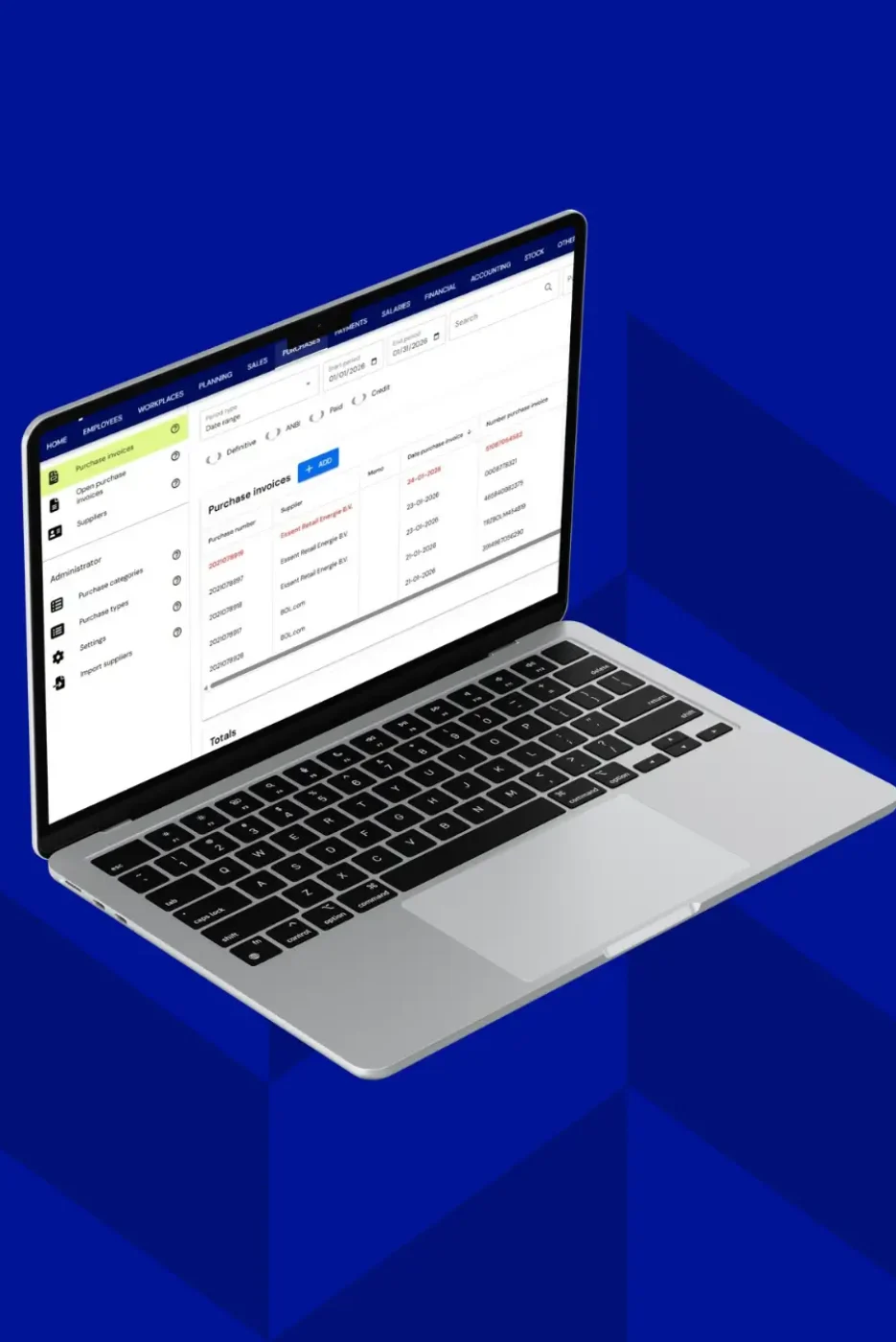
Klien IT’s invoicing and financial dashboarding module also brings invoices and financial insights together, helping companies maintain a clearer overview of performance.
Look at profitability per customer and location
Company-wide revenue can hide underperforming contracts. A cleaning company may be profitable overall while certain locations consistently require more hours, materials or corrective work than expected.
Managers should regularly ask:
- Which locations exceed planned hours?
- Which customers require the most extra work?
- Where is material consumption higher than expected?
- Are all additional services being invoiced?
- Which contracts generate the strongest margins?
Answering these questions turns cost control into an ongoing management process rather than an end-of-month exercise.
Better cost visibility supports better decisions
Cost control does not simply mean cutting expenses. Reducing hours too aggressively can affect service quality, while cheaper materials may create other operational problems.
The goal is to identify unnecessary costs and understand which resources create value.
Reliable operational data can also improve future quotations. Historical information about working hours, material usage and additional services helps companies estimate new contracts more accurately.
As cleaning businesses grow, bringing planning, time registration, inventory and financial information together becomes increasingly valuable. Klien IT provides software developed specifically for cleaning companies, connecting these operational processes within one system.
Better visibility helps companies identify issues earlier, make better decisions and protect margins without losing control of service quality.