
Employee scheduling is one of the most important parts of running a successful cleaning company. When schedules are clear, accurate, and easy to manage, teams work more efficiently, client expectations are easier to meet, and daily operations run more smoothly. But when scheduling is disorganized, even small mistakes can create delays, confusion, and unnecessary stress for both managers and cleaners.
That is why more companies are turning to digital systems for cleaning companies to improve how they plan and coordinate their workforce. Instead of relying on paper schedules, spreadsheets, and last-minute calls, digital tools help cleaning businesses create a more structured and responsive operation. Klien-IT’s main platform positions itself as software for cleaning companies that helps employees arrange things digitally, from time registration to leave requests, which aligns closely with this scheduling topic.
Why scheduling is such a challenge in cleaning
Scheduling in the cleaning industry is rarely simple. Managers often need to coordinate multiple employees across different locations, shifts, and customer requirements. On top of that, availability changes, sick leave happens unexpectedly, and urgent client requests can appear at any time.
When scheduling is managed manually, the process quickly becomes harder to control. A change made in one place may not be communicated properly elsewhere. A missed update can mean an uncovered shift. A lack of visibility can lead to overbooking, understaffing, or confusion among employees.
These problems do not just affect internal efficiency. They can also have a direct impact on service quality and customer satisfaction. That is why mastering employee scheduling is essential for any cleaning company that wants smoother operations and more consistent results.
Tip 1: Move away from manual planning
If your team still depends on printed rosters, spreadsheets, or chat messages to manage shifts, scheduling will always take more time than it should. Manual systems create room for mistakes and make it difficult to adjust quickly when something changes.
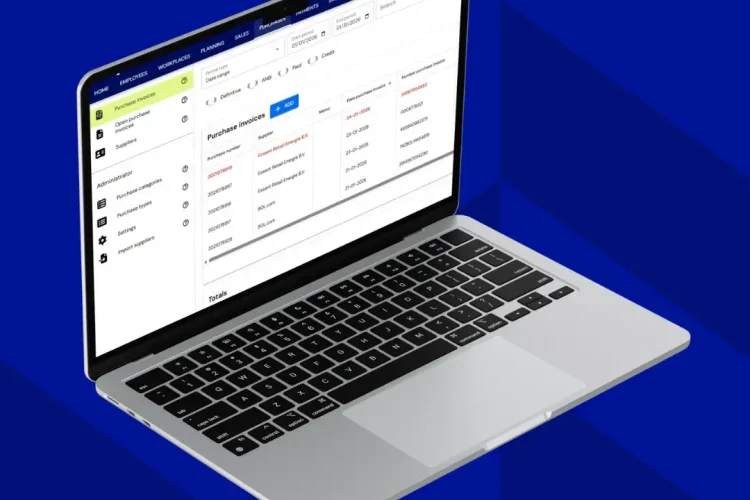
A better approach is to work with a digital planning system that gives you a clear overview of employees, customers, and locations in one place. Klien-IT’s planning page highlights up to ten planning overviews, real-time notifications, reminders, and color-coded filters for overlaps, unassigned shifts, and workload imbalances. Those features are especially relevant for cleaning companies trying to avoid scheduling conflicts and keep everyone informed.
With digital planning, managers can respond faster to changes, update shifts in real time, and reduce the amount of manual follow-up needed throughout the day.
Tip 2: Keep employee information centralized
Good scheduling depends on having the right employee information available when you need it. If staff data is scattered across different files or systems, planners may waste time searching for contact details, availability, contract information, or notes about specific employees.
Using staff management software helps cleaning companies keep all employee information in one central place. Klien-IT’s staff management module is designed to manage employee information, contracts, files, notes, and activities from a single platform, making it easier to support daily planning and workforce decisions.
When employee data is easier to access and keep up to date, scheduling becomes faster, more accurate, and less stressful for the planning team.
Tip 3: Make schedules accessible to employees
A schedule only works if employees can easily see it, understand it, and stay updated when changes happen. If cleaners depend on paper copies or separate messages to know where they need to be, communication gaps become much more likely.
This is where a mobile app for cleaners can make a real difference. Klien-IT’s mobile app gives employees access to work schedules, plans, instruction documents, time tracking, and leave requests in one place. That makes the app a natural fit for a blog focused on smoother scheduling and day-to-day coordination.
When employees have mobile access to their schedules, they are less likely to miss updates, ask repeated questions, or show up at the wrong location. It also creates a more professional and organized experience for the team.
Tip 4: Connect scheduling with time tracking
Scheduling becomes much more effective when it is connected to actual hours worked. If planners cannot easily compare the schedule with attendance data, it becomes harder to see who is on-site, who has completed a shift, and where adjustments are needed.
That is why many cleaning companies combine planning with time registration and attendance tools. Klien-IT’s time tracking page emphasizes app-based clocking in and out, real-time synchronization, automated tracking of working hours, absences, travel time, and breaks, plus leave and absence management that can automatically adjust schedules and help prevent conflicts.
This connection between planning and time data helps managers make better staffing decisions and improves control over daily operations.
Tip 5: Use scheduling to improve consistency, not just coverage
A smooth operation is not only about filling shifts. It is also about assigning the right people to the right tasks, maintaining service quality, and creating realistic workloads. Strong scheduling supports consistency across teams and locations.
With better visibility into employee availability, hours worked, and client requirements, managers can build schedules that are more balanced and practical. This reduces last-minute changes, prevents overload, and helps ensure that cleaners are properly allocated.
When scheduling is treated as a strategic process instead of just an administrative task, the whole business benefits. Service becomes more reliable, employees feel better supported, and planners spend less time putting out fires.
A smoother operation starts with smarter scheduling
Mastering employee scheduling is one of the most effective ways to improve efficiency in a cleaning company. Clearer planning reduces confusion, improves communication, and gives managers better control over daily operations.
Digital tools make this possible by bringing planning, employee information, communication, and time tracking together in one system. For cleaning businesses that want to reduce stress, improve coordination, and create a smoother operation, better scheduling is one of the smartest places to start. Klien-IT’s planning, staff, app, and time registration modules all support that kind of connected workflow for cleaning companies.