Running a cleaning business already involves juggling schedules, staff, clients, and finances. Yet many companies still rely on disconnected systems, managing operations in one tool and accounting in another. This often results in double data entry, inconsistencies, and unnecessary administrative work. Integrating your cleaning software with accounting systems eliminates these inefficiencies, creating a single, reliable flow of financial data. In this article, we explore the challenges of disconnected systems and how integration helps cleaning companies work smarter.
The hidden cost of double data entry
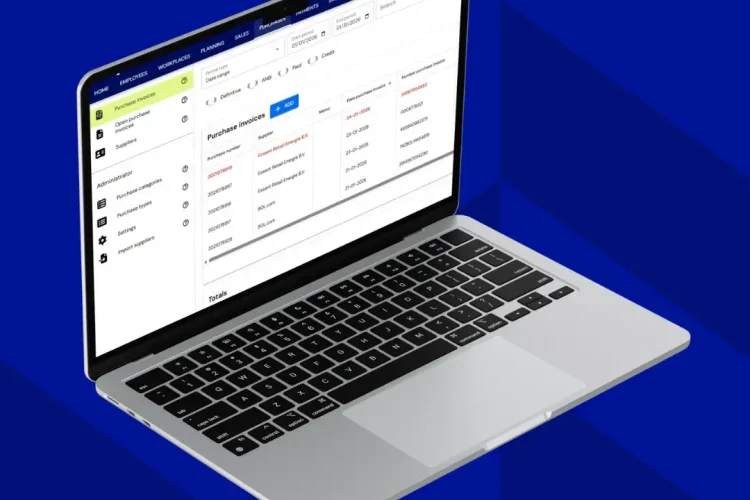
When operational and accounting systems are not connected, the same information must be entered multiple times. Invoices created in cleaning software are retyped into accounting tools. Payroll figures are manually transferred. Expenses and payments are reconciled by hand.
This repetition doesn’t just waste time, it increases the risk of errors. A single typo can cause discrepancies that take hours to track down. Over time, these inefficiencies slow down financial processes, delay reporting, and create frustration for both managers and accountants.
How system integration simplifies financial workflows
Integrating cleaning software with accounting systems creates a seamless exchange of data:
Automatic data synchronization: invoices, payments, payroll costs, and customer details are transferred automatically between systems, eliminating manual re-entry.
Consistent financial records: data remains aligned across platforms, reducing discrepancies and simplifying audits or financial reviews.
Faster closing cycles: with up-to-date information always available, monthly and yearly financial closing becomes quicker and more accurate.
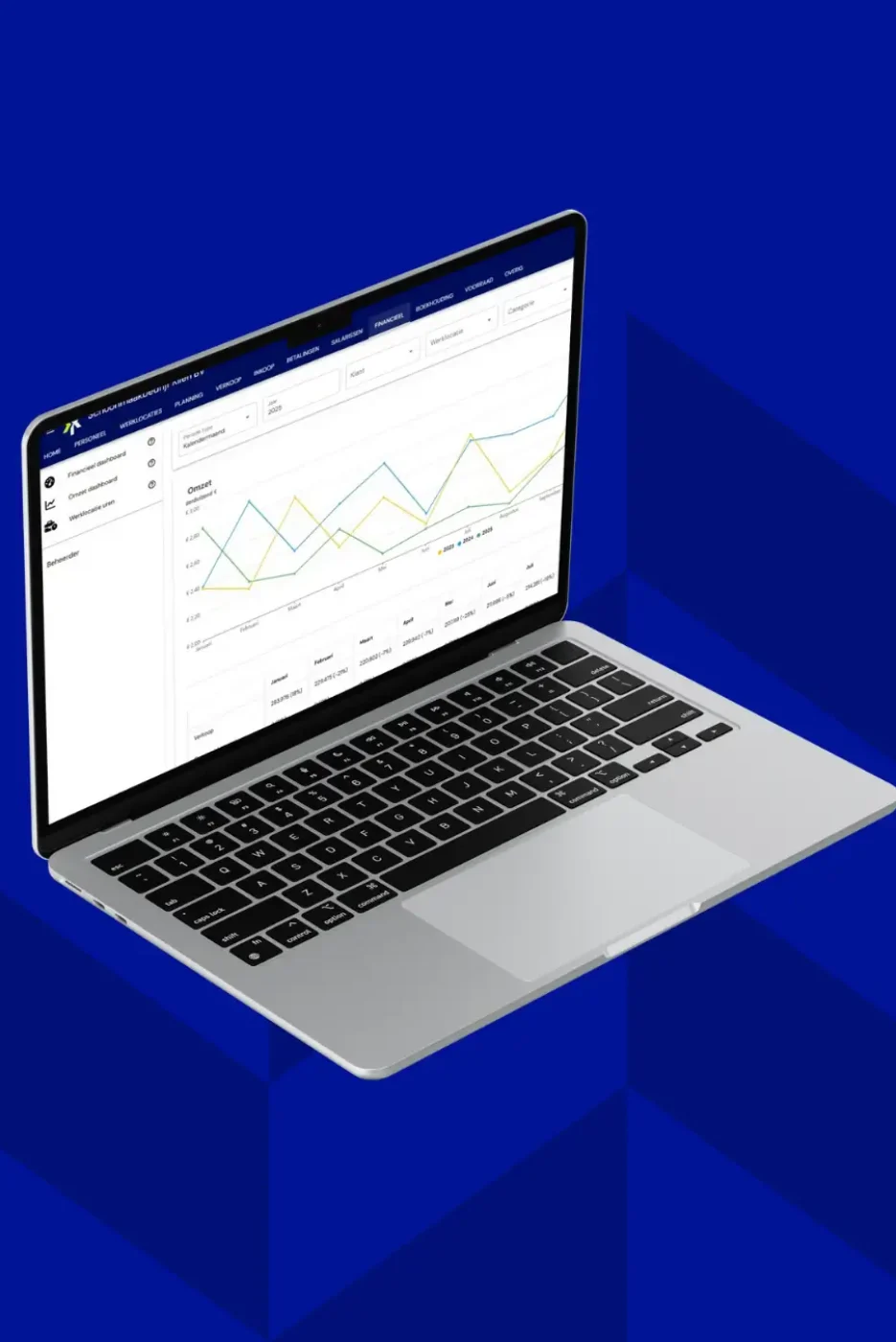
Improved visibility: managers gain real-time insight into revenues, costs, and margins without waiting for manual updates.
By connecting systems, financial workflows become smoother, more reliable, and easier to scale.
The impact on teams and collaboration
Integration improves collaboration across teams. Operations staff can focus on service delivery without worrying about financial data entry. Finance teams and external accountants work with accurate, up-to-date information, reducing back-and-forth communication.
This shared data environment improves trust and clarity, making it easier to make informed decisions and plan ahead.
The risks of keeping systems disconnected
Sticking with disconnected tools can hold cleaning businesses back:
Higher administrative burden: repetitive data entry consumes valuable time and resources.
Greater error risk: inconsistencies between systems lead to reporting issues and payment delays.
Slower decision-making: outdated or incomplete data limits financial insight.
Reduced scalability: as transaction volumes grow, manual processes become increasingly unsustainable.
In a competitive market, these limitations can restrict growth and operational efficiency.
Why integration is a smart move for cleaning companies
Integrating cleaning software with accounting systems removes friction from financial management. It ensures accurate data, saves time, and provides better insight into business performance.
For cleaning companies looking to professionalize operations and prepare for growth, integration is not just a technical upgrade, it’s a strategic advantage.