Payroll is one of the most sensitive and time-critical processes in any cleaning business. Cleaners expect to be paid accurately and on time, while managers need to ensure wages, overtime, and allowances are calculated correctly. Yet many cleaning companies still rely on manual timesheets, spreadsheets, and disconnected systems to run payroll. This approach increases errors, delays payments, and creates unnecessary stress. Payroll automation is transforming this process, helping cleaning businesses move seamlessly from timesheets to pay slips with less effort and more confidence.
Payroll challenges in cleaning businesses
Cleaning companies face unique payroll complexities. Employees often work flexible hours, multiple shifts per day, or across different locations. When timesheets are filled in manually or submitted late, managers must spend hours checking, correcting, and consolidating data before payroll can even begin.
Errors in hours worked, overtime calculations, or pay rates can easily occur, leading to disputes and dissatisfaction among staff. On top of that, payroll deadlines add pressure, leaving little room for mistakes. Without clear oversight, it becomes difficult to verify attendance, track absences, or ensure compliance with labor agreements.
These challenges don’t just slow down payroll, they affect trust between employees and management.
How payroll automation simplifies the process
Modern payroll solutions are designed to handle the complexity of cleaning operations:
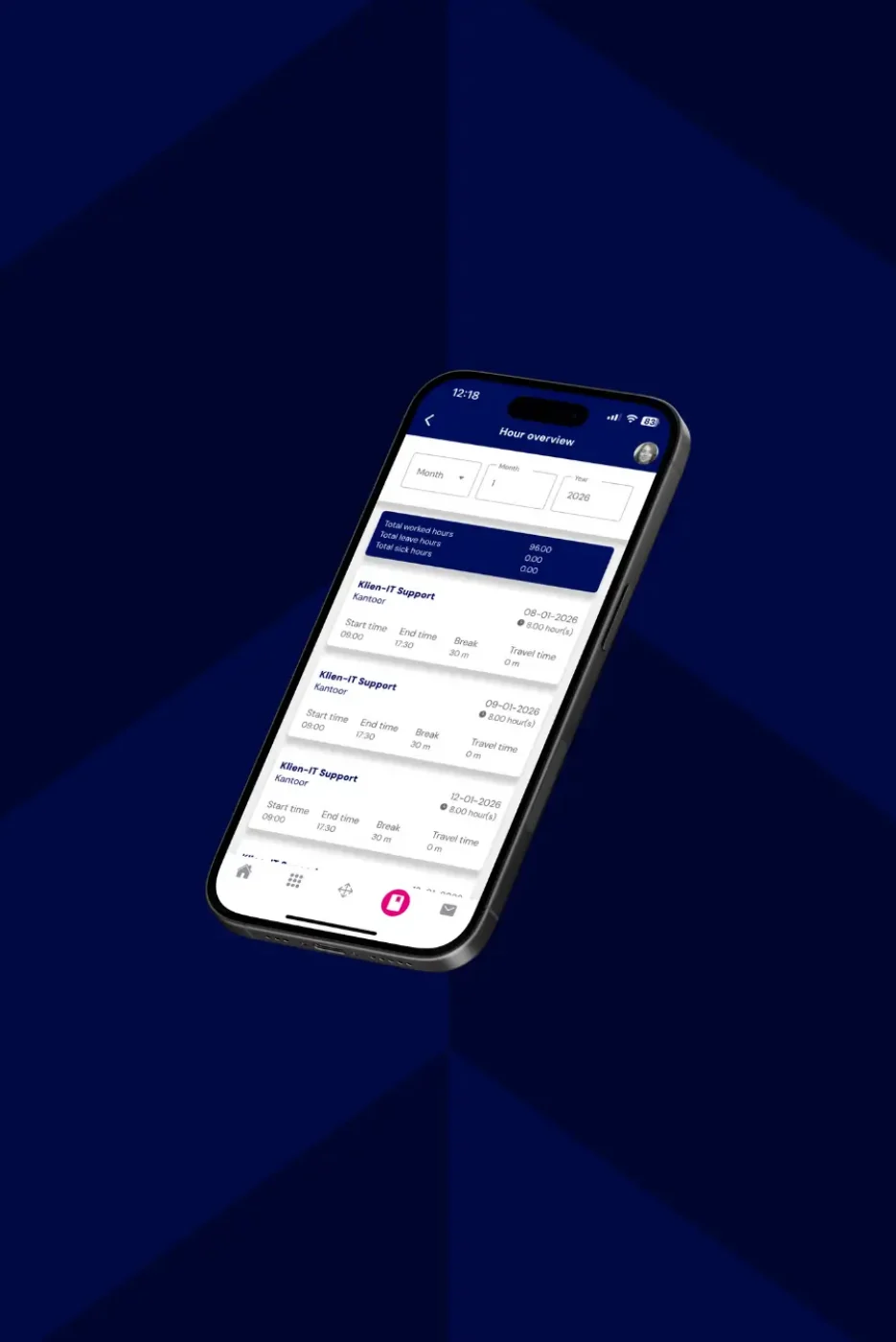
Digital timesheets: cleaners log their hours directly via a mobile app, often linked to job schedules or site check-ins. This ensures accurate and timely recording of worked hours.
Automatic calculations: regular hours, overtime, night shifts, and allowances are calculated automatically based on predefined rules. This reduces errors and eliminates manual recalculations.
Seamless pay slip generation: once payroll is approved, pay slips are generated instantly and shared digitally with employees, saving time and paper.
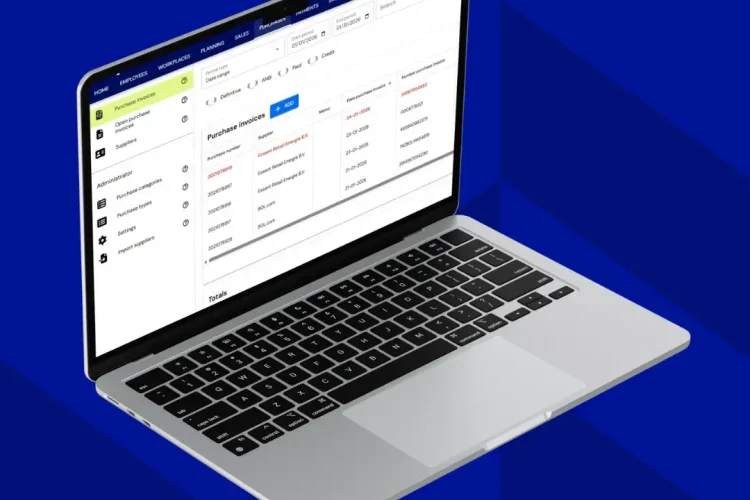
Clear payroll overview: managers gain real-time insight into labor costs, payroll status, and upcoming payments, making budgeting and planning easier.
With payroll automation, the entire process becomes faster, more reliable, and easier to manage.
The impact on cleaners and managers
Payroll accuracy has a direct impact on employee satisfaction. Cleaners who can track their hours and receive correct, timely pay feel more valued and motivated. Transparency reduces misunderstandings and builds trust.
For managers, automated payroll removes one of the most stressful monthly tasks. Instead of firefighting errors, they can focus on scheduling, quality control, and team support. The result is a smoother working relationship across the organization.
The risks of sticking with manual payroll
Not modernizing payroll systems comes with clear downsides:
Increased error rates: manual data entry makes mistakes almost inevitable, especially as teams grow.
Lower employee satisfaction: delayed or incorrect payments damage trust and can lead to higher staff turnover.
Administrative overload: payroll preparation consumes time that could be spent on operations or growth.
Limited scalability: as the business expands, manual payroll becomes increasingly difficult to manage.
In a labor-intensive industry like cleaning, these risks can quickly impact both morale and profitability.
Why simplifying payroll is essential
Payroll automation helps cleaning companies create a fair, transparent, and efficient pay process. By connecting timesheets directly to payroll, businesses reduce errors, save time, and strengthen trust with their workforce.
Simplifying payroll isn’t just about efficiency, it’s about supporting the people who keep the business running every day. For cleaning companies aiming to grow sustainably, automated payroll is a crucial step forward.