Behind every successful cleaning operation lies a less visible but essential element: supplies. Detergents, disinfectants, paper products, tools, machines, and protective equipment are consumed daily across multiple locations. When stock is not managed properly, even the best planning can fail.
Many cleaning companies still rely on manual stock checks, spreadsheets, or last-minute orders. While this may work on a small scale, it quickly becomes inefficient and costly as operations grow. Integrated stock management, where inventory is tracked within the same system as planning and operations, is becoming a cornerstone of professional cleaning services.
This article explores why stock visibility matters, the risks of poor inventory control, and how integrated systems help cleaning companies operate more smoothly and sustainably.
The hidden complexity of cleaning supplies
Cleaning supplies are deceptively complex. Companies must manage:
- Consumables used daily (chemicals, paper goods, trash bags)
- Equipment shared across teams (machines, carts, tools)
- Site-specific materials required by certain clients
- Safety and compliance-related products (PPE, approved chemicals)
Without clear oversight, supplies are easily overused, forgotten, duplicated, or wasted.
Common problems caused by poor stock management
When inventory is not centrally managed, cleaning companies often face recurring issues such as running out of essential products mid-shift, emergency purchases at higher prices, over-ordering, and unnecessary storage costs. These problems not only increase costs but also affect service reliability and client satisfaction.
What integrated stock management really means
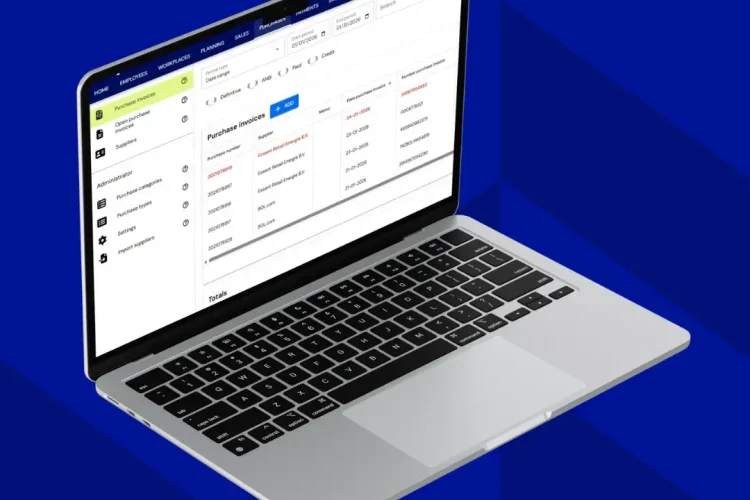
Integrated stock management connects inventory directly to daily operations. Instead of being a separate administrative task, stock becomes part of the operational workflow.
This allows companies to:
- Track stock levels in real time
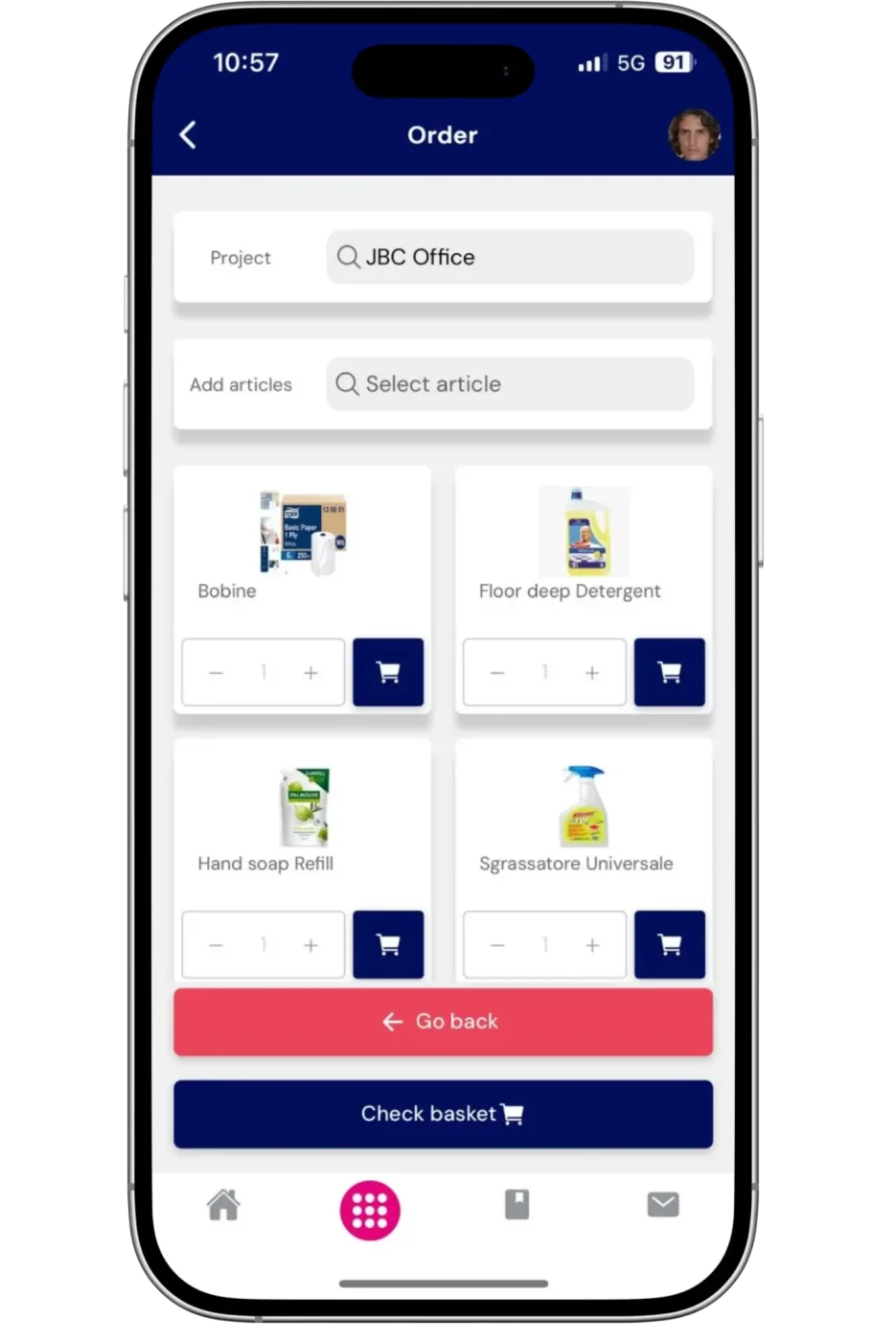
- Assign materials to specific sites or teams
- Monitor consumption patterns
- Trigger restocking at the right moment
Most importantly, stock data becomes actionable rather than reactive.
Supporting planning with stock visibility
Planning cleaning tasks without knowing whether the necessary supplies are available creates unnecessary risk. Integrated systems allow planners to see stock availability alongside schedules.
This ensures:
- Teams arrive fully equipped
- Tasks are completed without delays
- Clients receive consistent service quality
When stock and planning are aligned, operations become predictable instead of improvised.
Reducing waste and uncontrolled costs
Cleaning supplies represent a significant recurring expense. Without insight into usage, companies often compensate by ordering more than needed.
Integrated stock management helps by:
- Identifying unusually high consumption
- Detecting recurring losses or misuse
- Optimizing order quantities
Over time, this leads to better cost control and healthier margins.
Improving accountability without micromanagement
Stock issues often turn into blame games. Was the product not delivered, misused, or simply never reordered?
A structured inventory system creates clarity:
- Who used what
- Where supplies were allocated
- When restocking occurred
This transparency supports accountability without constant supervision.
Enhancing compliance and safety
Certain cleaning environments require approved products or specific safety equipment. Without proper stock oversight, teams may unknowingly use incorrect materials.
Stock management systems help ensure:
- Only approved products are used at specific sites
- Safety equipment is always available
- Compliance requirements are consistently met
This reduces risk and protects both employees and clients.
Linking stock to time, tasks, and costs
When inventory data is connected to planning and time tracking, companies gain deeper insight into their operations.
Managers can understand:
- Cost per site or contract
- Material usage per shift
- True profitability of services
This transforms stock management from a logistical necessity into a strategic tool.
Reducing stress for teams and supervisors
Nothing frustrates cleaning staff more than arriving at a site without the tools they need. Poor stock management creates unnecessary pressure and improvisation.
With proper systems in place:
- Teams trust that supplies will be available
- Supervisors spend less time firefighting
- Operations feel organized and professional
This directly impacts morale and service quality.
Building a more sustainable cleaning operation
Better stock control also supports sustainability goals. By reducing waste, optimizing usage, and avoiding over-ordering, companies lower their environmental impact.
Clients increasingly value partners who demonstrate responsible resource management, making inventory control a competitive advantage.
Stock management as a foundation for professional growth
Stock management may not be the most visible part of cleaning operations, but its impact is far-reaching. Integrated inventory systems bring structure, predictability, and control to a complex operational reality.
For cleaning companies aiming to grow sustainably, reduce costs, and deliver consistent quality, managing stock within the same system as planning and operations is no longer optional—it is essential.